
Radiant in-floor heating is a favourite in West Coast homes, from British Properties builds to Yaletown lofts, and for good reason. The catch is that not every floor belongs over a heated slab. Choose wrong and you get gapping, voided warranties, or a floor that insulates the heat you paid for. Here is which flooring actually works over radiant heat in Vancouver, and the rules that keep it stable.
Key takeaways
- Engineered hardwood, tile, and rated luxury vinyl are the radiant-friendly choices.
- Solid hardwood is generally not recommended over radiant heat.
- Most systems cap the floor surface around 27 degrees Celsius; check your product’s limit.
- Thick rugs and dense underlays can insulate the floor and waste heat.
Why radiant heat is tough on flooring
Radiant systems warm the floor from below, which means the flooring goes through repeated heating and cooling. Materials that move a lot with temperature, like solid hardwood, can gap or cup. The goal is a floor that stays dimensionally stable while it warms and cools each day.
What works: engineered, tile, rated vinyl
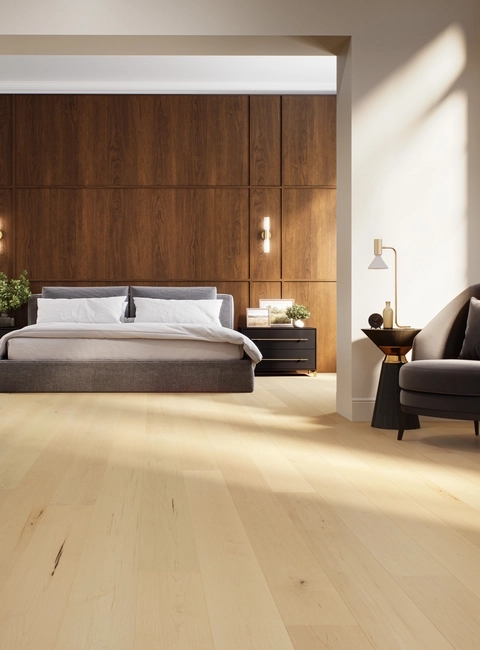
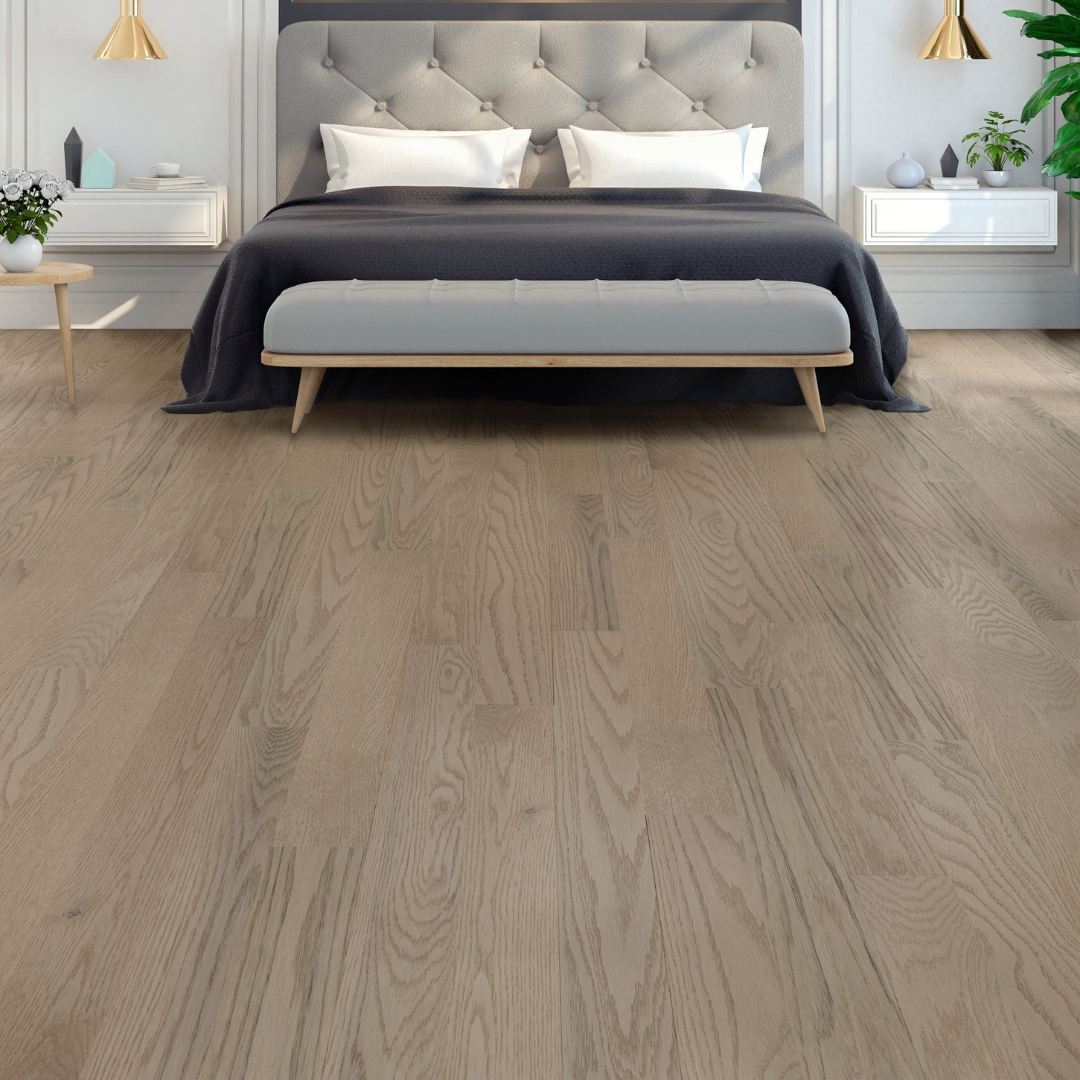
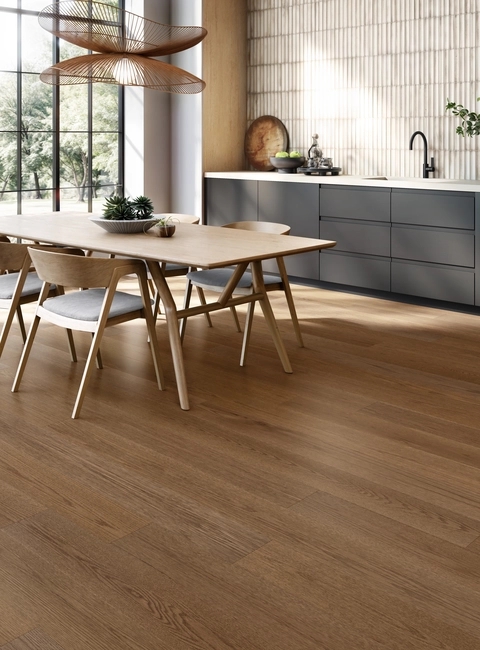
Engineered hardwood’s stable core handles the cycling well and is the usual choice for a warm-wood look. Tile and stone are excellent conductors and pair naturally with radiant heat. Many luxury vinyl products are rated for radiant use, but only up to a stated temperature, so the spec sheet decides.
What to avoid
Solid hardwood is generally not recommended over radiant heat because it moves too much with temperature swings. Thick or dense products that insulate the slab also work against the system, since the heat has to fight through the floor before it reaches the room.
The temperature rule
Most flooring over radiant heat should stay at or below a surface temperature near 27 degrees Celsius, and the system should be brought up and down gradually rather than in sudden jumps. Following the manufacturer’s temperature cap is usually a warranty condition, not a suggestion.
How Canadian Home Style helps
We match the floor to your radiant system and your room, confirm the temperature rating, and install to keep the warranty intact. Local guidance from our North Vancouver showroom for homes across the North Shore and Metro Vancouver.
Book a showroom consultation or request an in-home consultation, and our team will spec the right floor and subfloor system for your home.
Related guides
Frequently asked questions
Can I put hardwood over radiant heat?
Engineered hardwood, yes, within the temperature cap. Solid hardwood is generally not recommended because it moves too much with the heat cycle.
Is vinyl plank safe over radiant heat?
Many luxury vinyl products are rated for it up to a stated temperature. Always confirm the product’s radiant rating before installing.
What surface temperature is safe?
Commonly around 27 degrees Celsius, but follow your specific flooring and heating manufacturer’s stated limit.