
The Sea-to-Sky corridor is its own climate zone. Squamish, Whistler, and the cabins between them see real winters, freeze-thaw cycles, and homes that sit cold and empty between visits, then get heated hard on arrival. That pattern is brutal on the wrong floor. Here is how to choose flooring for a Sea-to-Sky cabin or mountain home that takes the swings in stride.
Key takeaways
- Mountain homes swing between cold-and-empty and warm-and-occupied, stressing floors.
- Snow, grit, and wet boots demand a tough, forgiving entry and main floor.
- Engineered hardwood and rigid vinyl handle the temperature cycling best.
- Solid hardwood in an intermittently heated cabin is a high risk for gapping.
The intermittent-heating problem
A weekend cabin or rental can sit cold for days, then be heated quickly when people arrive. That repeated swing in temperature and humidity makes floors expand and contract far more than in a continuously lived-in home. Stability is the single most important quality up here.
Built for snow and grit
Mountain living tracks in snow, salt, and grit by the bootful. Entries, mudrooms, and main floors need to shrug that off, which favours waterproof and hard-wearing surfaces near the door and through the high-traffic core of the home.
What works up the corridor
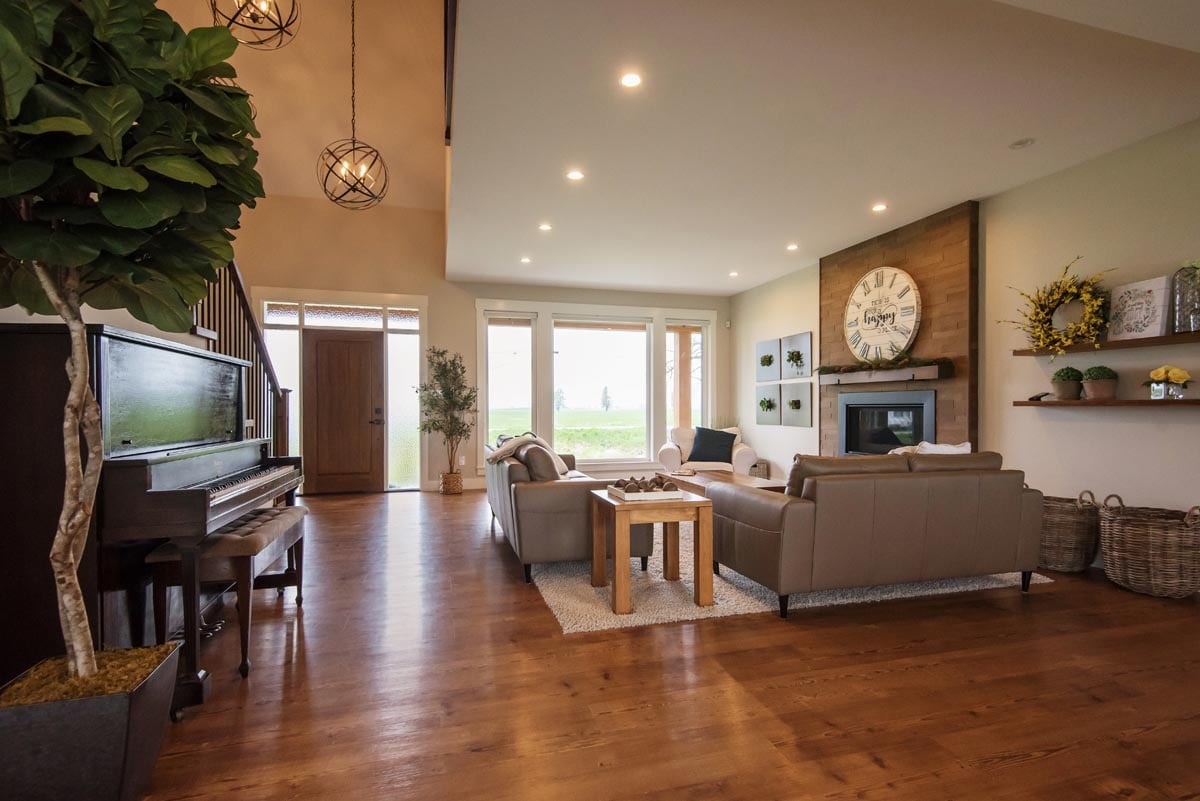
Engineered hardwood handles the temperature cycling far better than solid wood and gives the warm mountain-home look owners want. Rigid-core vinyl is the most forgiving option for rentals and high-traffic cabins, waterproof and tough against grit. Both suit the way these homes are actually used.
What to avoid
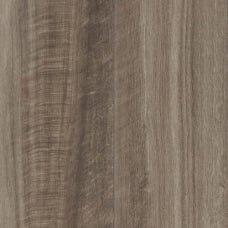
Solid hardwood in a cabin that is heated intermittently is a gamble, since the big humidity swings tend to open gaps and cup boards. If you love the look of wood, an engineered product gives it with far less risk in this climate.
How Canadian Home Style helps
We spec floors for the Sea-to-Sky climate and the way mountain homes are lived in, from full-time Squamish houses to Whistler weekend cabins. Local guidance from our North Vancouver showroom.
Book a showroom consultation or request an in-home consultation, and our team will spec the right floor and subfloor system for your home.
Related guides
Frequently asked questions
Why does solid hardwood struggle in a cabin?
Cabins heated only on weekends swing widely in temperature and humidity, which makes solid wood gap and cup. Engineered wood is far more stable.
What is the toughest floor for a rental cabin?
Rigid-core vinyl. It is waterproof, hard-wearing, and forgiving of snow, grit, and heavy guest traffic.
Can I still have a wood look up there?
Yes, with engineered hardwood or a quality wood-look vinyl, both of which handle the mountain climate well.