Flooring 101: What Is A Floating Floor?
Have you ever wondered what exactly a floating floor is and how it can benefit you? Well, consider this because this article will dive deep into the world of floating floors and explore their many advantages. A floating floor is a type of flooring that is installed above the subfloor without the need for glue or nails. It’s called “floating” because it literally floats on top of the subfloor, allowing for easy installation and removal if needed.
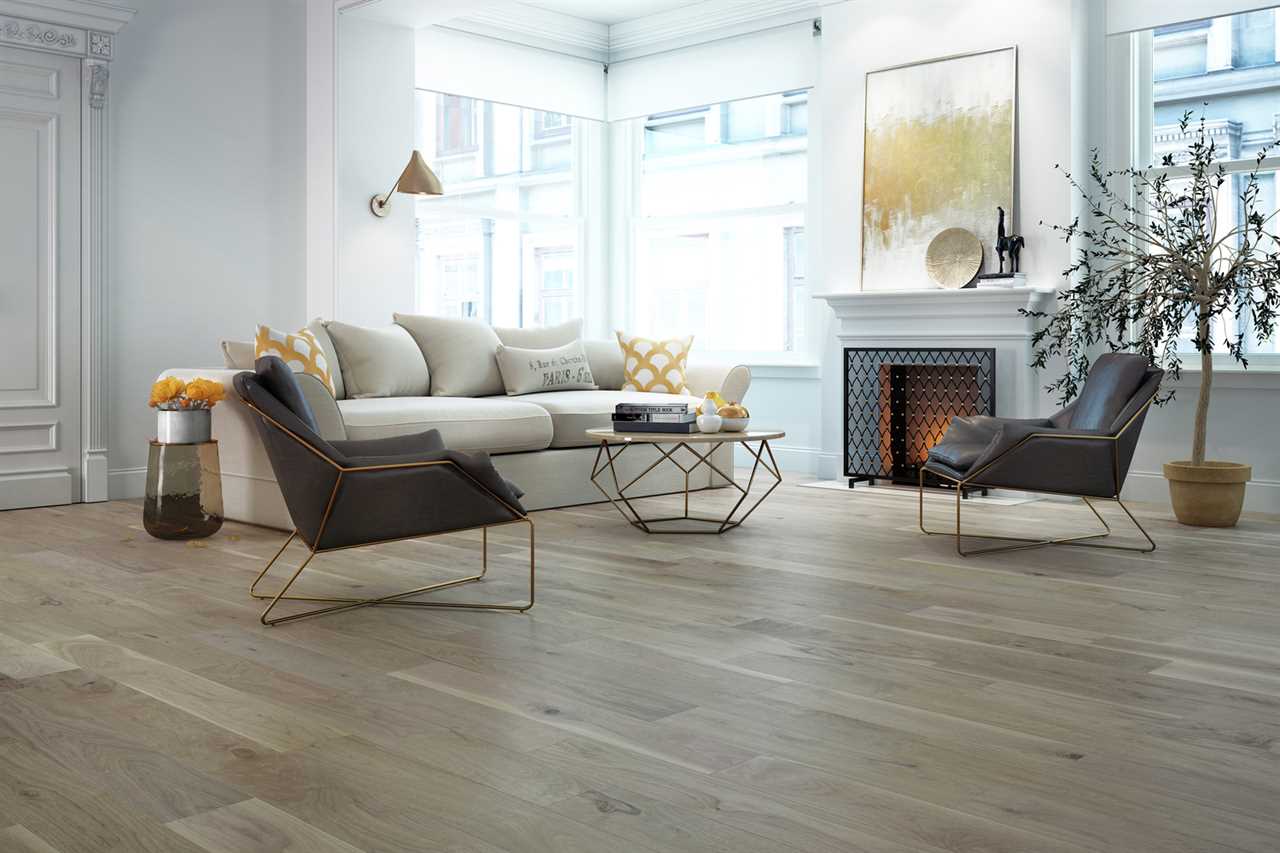
The installation method of a floating floor involves interlocking the individual pieces together, creating a stable and secure surface. This eliminates the hassle of traditional installation methods, such as using adhesive or fasteners. With just a few simple steps, you can have a beautiful new floor that adds style and functionality to your space.
Floating floors come in various materials, including laminate, luxury vinyl, cork and engineered wood. These materials are designed to be durable and long-lasting while offering a wide range of styles and colors to suit any aesthetic preference. Whether you’re looking for a sleek modern look or a rustic charm, there’s a floating floor option.
Now that you understand what exactly a floating floor is, let’s explore deeper into its advantages. From easy installation to affordability and portability, floating floors offer numerous benefits that make them an ideal choice for both residential and commercial environments. So sit back, relax, and take control over your flooring choices with this comprehensive guide to floating floors!
Key Takeaways
- Floating floors are a type of flooring that can be installed to float above the subfloor.
- They are a revolutionary idea in the flooring industry, replacing traditional nail and glue installation methods.
- Floating floors can be installed on any grade and in most areas with moderate sunlight/heat.
- They have an enhanced interlocking mechanism eliminating the need for gluing and nailing. One example of this locking mechanism is called the Uniclic® joint
What is it?
So, you already know that floating floors are revolutionary flooring that can be installed without needing nails or glue. But what exactly is a floating floor? Well, let me tell you – it’s a flooring installation system where each panel or plank locks together without being attached to the subfloor. This makes it incredibly easy to install and provides stability and durability.
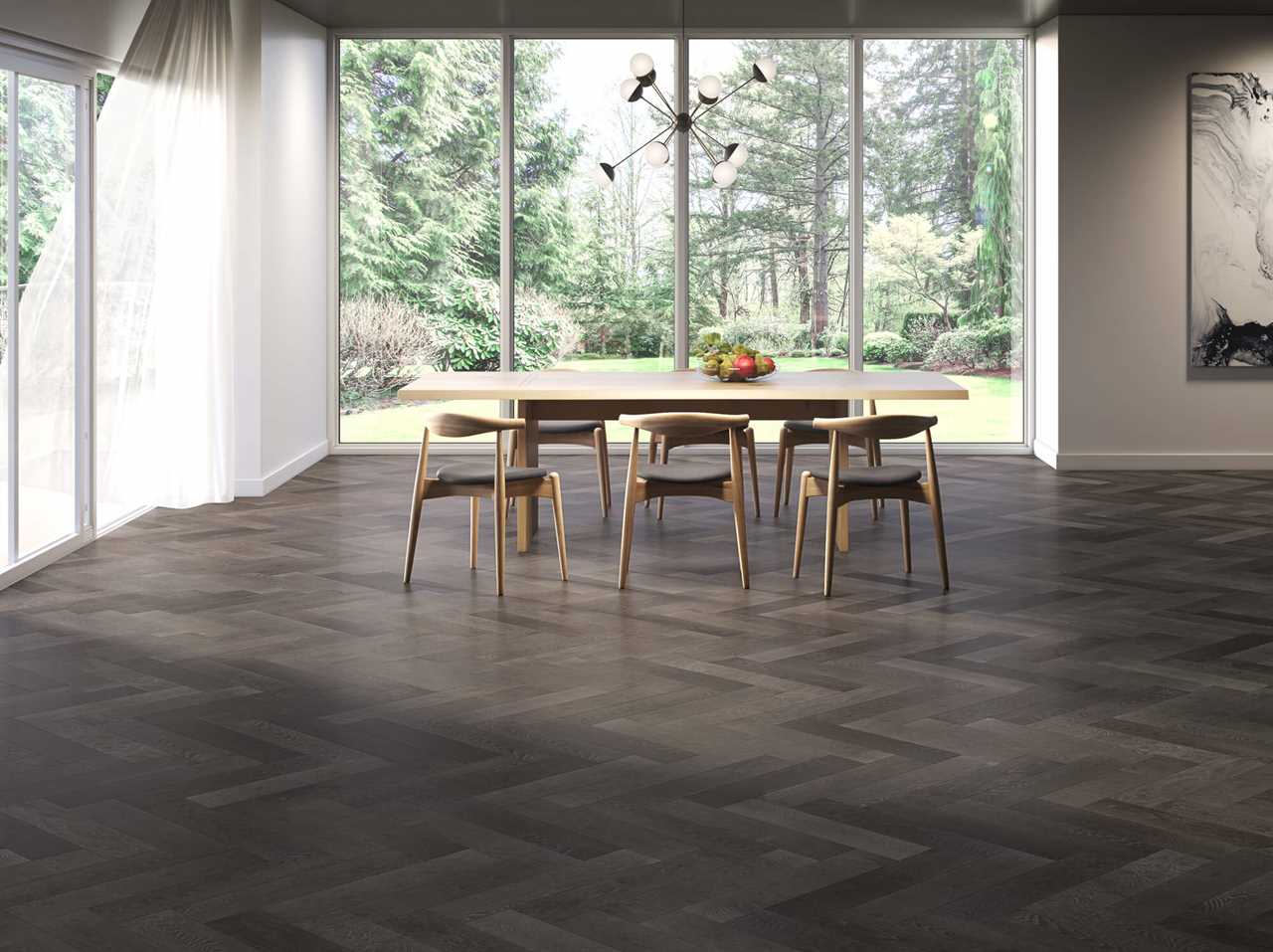
Floating floors have several advantages over traditional flooring methods. One of the biggest advantages is the ease of installation. With floating floors, you don’t need to worry about messy adhesives or complicated nail-down processes. Often, the floating boards simply lock together, creating a secure and smooth surface. This makes it an excellent option for DIY projects or anyone looking to save time and money on installation costs.
There are different types of floating floors available in the market today. Laminate flooring is one popular option that comes in various wood and tile looks, allowing you to achieve the aesthetic you desire for your space. Luxury vinyl flooring is another option that mimics the look of wood, stone, or ceramics. And if you prefer real wood, engineered wood flooring is lightweight and durable while offering classic hardwood appearance.
Regarding maintenance, floating floors are relatively low-maintenance compared to traditional flooring methods. Regular sweeping and occasional mopping with a damp cloth should keep them looking great for years. It’s important to avoid excessive water exposure and use protective pads under furniture legs to prevent scratches.
If you’re looking for an easy-to-install and long-lasting flooring option, floating floors are definitely worth considering. They offer hassle-free installation and durability advantages while providing different style options like laminate, luxury vinyl, and engineered wood flooring. So take control of your home’s design by choosing a floating floor that suits your needs!
Installation Method
To install a floating floor, you’ll need to start by measuring the room’s width and determining how many courses of planks you’ll need. This will ensure that you have enough materials for the installation process. Once you have your measurements, it’s time to prepare the room by leaving a small expansion gap between the flooring and baseboard. This gap allows for natural expansion and contraction of the flooring without causing any damage. One advantage of floating floors is that you can often install them without removing existing baseboards, saving time and effort.
Next, you’ll want to trim any door casings to accommodate the height of the new flooring. This ensures a smooth transition from one room to another. After that, it’s time to lay down a foam underlayment for cushioning and sound-dampening purposes. The underlayment helps create a smooth surface for your floating floor while also providing added comfort underfoot.
Now comes the fun part – installing the actual planks! Start with the first course against a wall, using spacers to maintain an even gap between each plank. Cut planks as needed at both ends of each row for proper fitting. To secure the planks together, apply adhesive along each joint and use a wood block to bring them tightly together.
Continue installing additional rows of planks, staggering joints and using spacers as necessary. Be sure to check for gaps or unevenness during this process and adjust accordingly. Use glue and a wood block to ensure tight connections between each plank.
Once all the planks are installed, measure for the last course accounting for an expansion gap again if necessary. Trim any planks accordingly and cut doorway notches if needed. The final step is prying in the last course using a pry bar and block until it fits snugly into place.
After installation, allow sufficient time for any glue used during installation to cure before removing the tape and spacers. Finally, install finish trim, doorstops, and transition moulding as desired. It’s important to note that transition moulding should be fastened to the subfloor rather than the flooring for stability.
Installing a floating floor involves measuring the room, preparing the space, laying down an underlayment, and securing the planks together using the locking mechanism or adhesive. Floating floors can often be installed over existing tile or nail-down hardwood floors, saving labour costs. With proper maintenance and care, your floating floor will provide years of durability and style at a more affordable cost than other flooring options.
Types of Flooring
Start exploring the different types of flooring available for your project, including laminate, luxury vinyl, and engineered wood. Each type has its own unique features and benefits that make it suitable for various applications. Here is a breakdown of these floating floor types:
| Floating Floor Types | Description |
|---|---|
| Laminate Flooring | This popular option comes in a variety of wood and tile looks. It consists of multiple layers fused together, with a durable wear layer on top. Laminate flooring is known for its affordability, easy installation, and resistance to scratches and stains. It is also relatively low maintenance, requiring regular sweeping or vacuuming along with occasional damp mopping. However, laminate may not be as water-resistant as other options, so it’s important to promptly clean up any spills to prevent damage to the floor below. |
| Luxury Vinyl Flooring | If you’re looking for a floor that closely mimics the look of wood, stone, or ceramics without the high cost or maintenance requirements, luxury vinyl flooring is worth considering. It is highly durable and can withstand heavy foot traffic in both residential and commercial settings. Luxury vinyl flooring is waterproof and resistant to scratches and stains, making it ideal for areas prone to moisture or spills. Regular sweeping or vacuuming followed by damp mopping with a mild cleaner will keep it looking great. |
| Engineered Wood Flooring | Engineered wood flooring offers the beauty of real wood combined with increased stability and versatility. It consists of multiple layers of wood veneer adhered together in a cross-grain pattern for added strength. Compared to solid hardwood floors, this construction makes engineered wood less prone to expansion and contraction due to temperature changes or moisture fluctuations. Maintenance involves regular sweeping or vacuuming and occasional damp mopping using a manufacturer-approved cleaner. |
When comparing these floating floor types in terms of cost, laminate tends to be the most budget-friendly option due to its synthetic nature. Luxury vinyl falls in the middle range, balancing cost and durability. Engineered wood is generally more expensive than the other two options due to its real wood composition. However, it provides a natural and timeless appeal that many homeowners desire.
Each type of floating floor has its own set of pros and cons, so it’s important to consider your specific needs and preferences when making a decision. Whether you prioritize affordability, water resistance, or the authentic look of real wood, there is a floating floor type that will suit your project perfectly.
What Are the Advantages of Floating Floors?
One of the major perks of floating floors is how easy they are to install, making them a great choice for DIY enthusiasts. Unlike traditional flooring options that require glue or nails, floating floors can be easily installed by locking the panels or planks together without needing adhesives. This not only saves time but also reduces installation costs since there is minimal subfloor preparation required. Whether you’re a seasoned DIYer or just starting out, floating floors provide a hassle-free installation process that allows you to take control of your home improvement project.
In addition to their ease of installation, floating floors offer numerous benefits, making them an attractive option for homeowners and businesses. One key advantage is their durability. With multiple layers and a sturdy core or backing, floating floors are designed to withstand heavy foot traffic and resist wear and tear over time. This makes them ideal for high-traffic areas such as entryways, hallways, and commercial spaces where durability is essential.
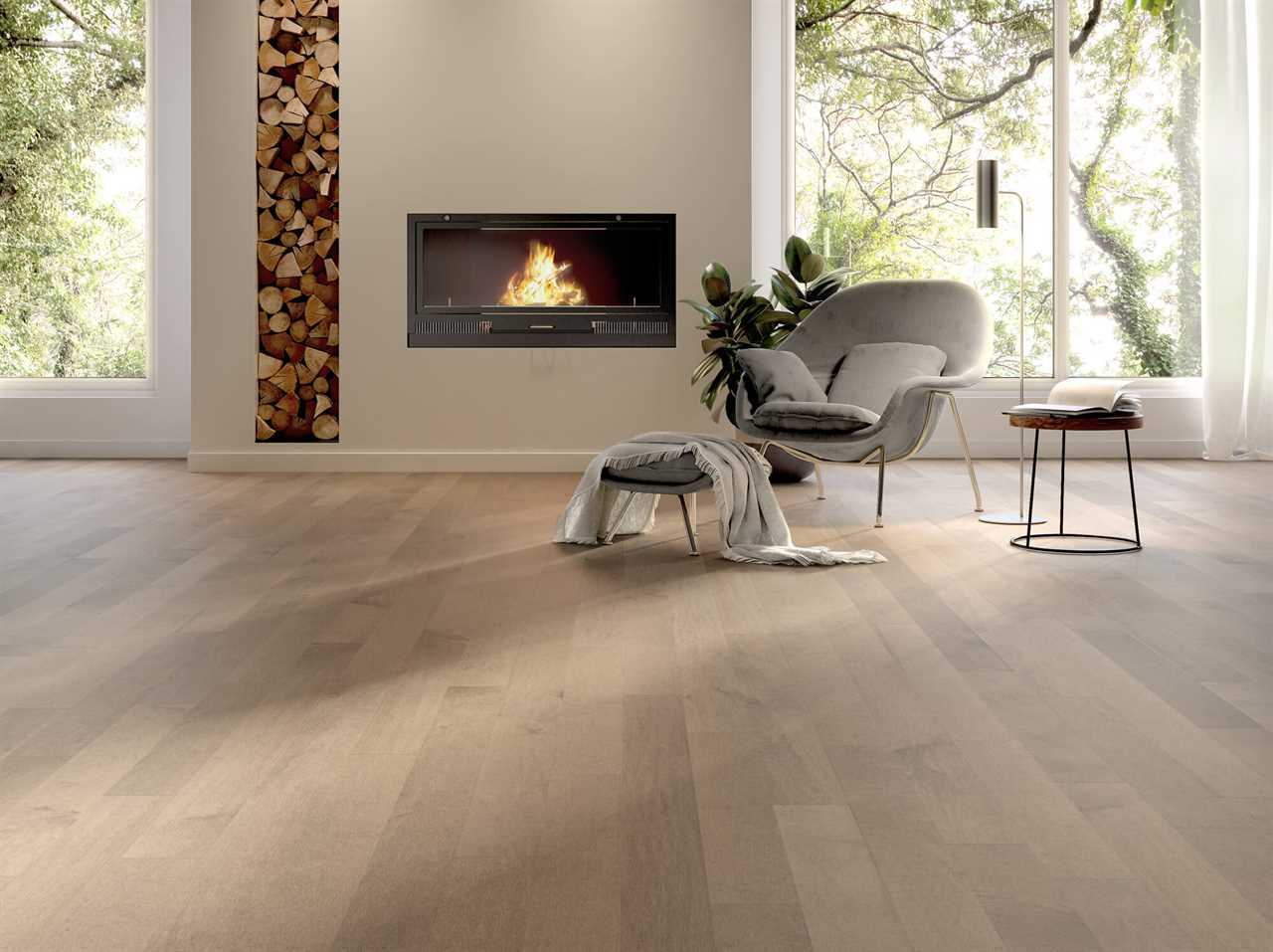
Another advantage of floating floors is their versatility. They can be installed in various environments, including below-grade basements. This flexibility allows you to use them in almost any home or business room without worrying about moisture damage or subfloor irregularities.
Moreover, floating floors offer aesthetic appeal with many styles and finishes today. There are countless design options, from laminate flooring that mimics the look of hardwood to luxury vinyl planks that imitate natural stone or ceramic tiles. You can easily find a floating floor that complements your decor and enhances your space’s overall look and feel.
Choosing a floating floor has many advantages, making it popular among homeowners and businesses. The ease of installation, durability, versatility in application, and wide selection of styles are all factors that contribute to its appeal. A floating floor may be the perfect choice if you’re looking for an affordable, low-maintenance flooring option that offers both convenience and aesthetic appeal.
What Are the Disadvantages of Floating Floors?
Consider the potential drawbacks before deciding on a floating floor for your project. While there are many advantages to floating floors, it’s also important to be aware of their disadvantages. Understanding these drawbacks will help you make an informed decision and ensure you choose the right flooring option for your needs.
Not all manufacturers are on board regarding in-floor heating systems and floating hardwood flooring. Some won’t allow you to float their wood on top of radiant heating systems. And you know what that means? It voids your warranty. Ouch.
You see, the issue lies with air pockets. When you float a floor, you use underlay, and those air pockets can form underneath. And guess what? It messes with the stability of the flooring system. Not good.
But that’s not all. We also have to talk about repairs. Floating floors with tongue and groove systems that need to be glued are a bit of a headache to fix. If a plank gets damaged in the middle of the floor, you must start from the nearest wall and work your way in. It’s like unravelling a mystery.
If you’ve glued the tongue and grooves, things get even trickier. They get damaged during the repair process and become unusable. So you better hope you don’t have to remove a plank in the middle of your floating floor.
So, if you’re considering an in-floor heating system and hardwood flooring, remember this little nugget of wisdom. Choose a flooring option that allows for easy repairs and won’t void your warranty. Trust me, you’ll thank me later.
Top Brands of Floating Floors
- Torlys – Uniclic locking system
- Mohawk – Uniclic locking system
- Mannington
- Mercier Hardwood flooring
- Lauzon Hardwood flooring
- Wicanders
- Amorim Wise
- Purparket
Among the top brands in the market, Torlys Smart Floors stands out for its innovative features and commitment to environmental initiatives. With a wide range of options, Torlys offers floating floors featuring Uniclic locking systems that are stylish, durable, and easy to maintain. Here are some key features that set Torlys Smart Floors apart:
- Easy installation: Torlys Smart Floors utilize the Uniclic® joint system, making installation quick and hassle-free. The planks or tiles click together, eliminating the need for glue or nails. This saves time and money on installation costs.
- Cost Comparison: When comparing floating floor prices, Torlys Smart Floors offer excellent value for money. They are competitively priced without compromising on quality or durability. Customers appreciate the affordability of these floors without sacrificing style or performance.
- Maintenance tips: Regular maintenance is key to keep your Torlys Smart Floors looking their best. Simply sweep or vacuum regularly to remove dirt and debris. Use a damp mop with a mild cleaner specifically designed for laminate or vinyl floors for deeper cleaning. Avoid using harsh chemicals or abrasive cleaners as they can damage the surface.
Installation tips: Before installing your Torlys Smart Floors, ensure the subfloor is clean, dry, and level. It’s also important to leave an expansion gap around fixed objects such as walls and doorways to allow for natural movement of the flooring. Follow the manufacturer’s instructions carefully during installation to ensure proper fit and stability.
Customer reviews: Customers who have chosen Torlys Smart Floors have been delighted with their purchase. Many praises the ease of installation and durability of these floating floors. The wide selection of styles and colours also receives positive feedback from customers who appreciate being able to find a floor that suits their taste.
Regarding top brands in floating floors, Torlys Smart Floors stands out for its innovative features, competitive pricing, easy maintenance tips, and positive customer reviews. Whether you’re looking for laminate, luxury vinyl, or engineered wood flooring, Torlys offers a wide range of options to suit your needs and style preferences. With their commitment to environmental initiatives and high-quality products, Torlys Smart Floors is a brand worth considering for your next flooring project.
Engineered Wood
- Engineered hardwood can offer planks up to 12 inches wide.
- 3/8″ to 3/4″ thickness
- Engineered wood can always be floated if needed
- Can be installed below, on or above grade
- Typically more expensive than the solid counterparts.
- You can sand and refinish it as long as you have a thick wear layer (You also have to glue or staple it down – floating floors are not sandable)
- Engineered wood is better than solid hardwood due to its dimensional stability.
- Most of the wood flooring installed in the Lower Mainland is engineered hardwood.
You’ll feel this flooring option’s lightweight and durable nature when you step onto engineered wood. Engineered wood is made up of multiple layers of wood veneer that are stacked and bonded together under heat and pressure. This construction gives it superior stability and resistance to moisture compared to solid wood flooring. One of the major benefits of engineered wood as a floating floor option is its durability. It can withstand heavy foot traffic and resist scratches, dents, and stains better than other types of flooring. Additionally, engineered wood is less prone to expansion and contraction due to changes in temperature and humidity, making it an excellent choice for areas with fluctuating conditions. Engineered wood was invented to be a floating floor and over 80% of engineered wood in North America are installed floating.
Maintenance for floating engineered wood floors is relatively easy. Regular sweeping or vacuuming will help remove dust and dirt particles that can scratch the surface. It’s important to avoid using excessive water when cleaning as it can damage the flooring material. Instead, use a damp mop or cloth with a mild cleaner specifically designed for hardwood floors. Avoid using harsh chemicals or abrasive cleaners as they can strip away the protective finish on the floor.
When considering a floating floor, one common question is whether to choose a lock or tongue and groove (glue together). While both options have their advantages, engineered wood has some unique benefits that make it an appealing choice for many homeowners. Engineered wood is more dimensionally stable than solid wood, meaning it is less likely to warp or cup over time due to changes in moisture levels. Additionally, it tends to be more cost-effective than solid wood while still providing the same aesthetic appeal.
Remember a few tips for optimal results when installing engineered wood as a floating floor. First, ensure your subfloor is clean, level, and dry before installation begins. Any imperfections in the subfloor could affect the performance of the floating system. It’s also important to acclimate your engineered wood planks by storing them in the room where they will be installed for at least 48 hours before installation. This allows the planks to adjust to the temperature and humidity conditions of the room, reducing the risk of expansion or contraction after installation.
Engineered wood offers a wide range of design options, allowing you to achieve the look and feel of solid wood at a more affordable price. The top layer of engineered wood can be made from various hardwood species, giving you choices in colour, grain pattern, and texture. Additionally, engineered wood is available in different plank widths and lengths, allowing for greater design flexibility. Whether you prefer a traditional oak look or a more contemporary walnut finish, an engineered wood option will suit your style and enhance the beauty of your space.
| Benefits | Floating Floor Maintenance |
|---|---|
| Lightweight | Regular sweeping or vacuuming |
| Durable | Damp mop or cloth with a mild cleaner |
| Dimensionally stable | Avoid excessive water use |
| Cost-effective | No harsh chemicals or abrasive cleaners |
Incorporating engineered wood as part of your floating floor system can provide numerous benefits in terms of durability, maintenance ease, cost-effectiveness, and design options. By following proper installation techniques and maintenance practices, you can enjoy the beauty and longevity of engineered wood flooring for years to come.
Top Recommended Pre-finished Engineered Wood Brands:
Laminate
Laminate flooring, with its realistic wood and tile looks, transports you to a cozy cabin or a luxurious spa retreat. It is a popular choice for homeowners due to its affordability and versatility. Here are three reasons why laminate flooring should be on your radar:
- Durability: Laminate flooring is known for its durability and resistance to scratches, stains, and fading. The top layer of laminate is made from a high-density fiberboard (HDF) that provides exceptional strength and stability. This makes it an excellent option for high-traffic areas such as living rooms, kitchens, and hallways.
- Easy maintenance: One of the biggest advantages of laminate flooring is its easy cleaning and maintenance. Unlike hardwood floors that require regular polishing and refinishing, laminate only needs regular sweeping or vacuuming to remove dirt and debris. Spills can be easily wiped away without worrying about staining or warping the floor.
- Cost Comparison: There’s no contest when comparing the cost of laminate flooring to hardwood – laminate wins hands down in affordability. Laminate flooring offers the look of real wood at a fraction of the price. It also requires less time and labour since it can often be installed over existing floors without adhesive or nails.
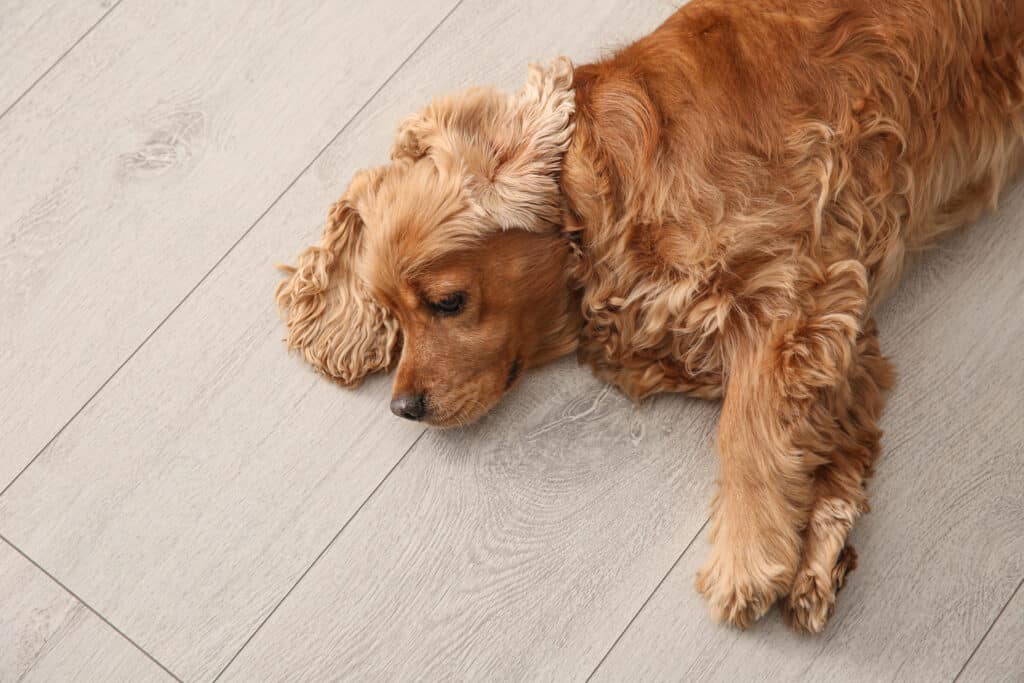
Now let’s talk about the installation process for laminate flooring. It typically involves interlocking planks that “float” above the subfloor using a click-and-lock system. This means no glue or nails are required during installation, making it an ideal DIY project for those looking to save on labour costs.
for maintenance tips, here are some things to keep in mind: avoid excessive moisture as this can cause damage to the planks, use protective pads on furniture legs to prevent scratching, and promptly clean up any spills or accidents to prevent staining.
Lastly, let’s compare laminate flooring to traditional hardwood floors. While both offer unique benefits, laminate flooring is a more cost-effective option with greater durability and easier maintenance. It’s also available in various colours and styles, allowing you to achieve the look you want without breaking the bank.
Laminate flooring is an excellent choice for homeowners who want the beauty of hardwood floors without the high price tag or demanding upkeep. With its realistic looks, durability, easy maintenance, and affordable cost, it’s no wonder why laminate flooring is a popular choice for residential and commercial spaces.
Top Laminate Flooring Brands:
Luxury Vinyl
Why not consider luxury vinyl for your flooring needs? Its ability to imitate the look of wood, stone, or ceramics offers a wide range of design options. Luxury vinyl installation is easy and can be done as a floating floor, making it a popular choice for DIY enthusiasts. Regarding flooring choices, there’s never been a better time to go with the floating hybrid luxury vinyl trend. These innovative products, known as WPC and SPC, are rising for a good reason. They combine the best waterproof features with the easy installation of a floating floor. It’s a win-win situation for homeowners and designers alike.
Gone are the days of traditional luxury vinyl flooring options that needed to be glued to the subfloor. You get the best of both worlds with hybrid WPC and SPC flooring. These floors offer a solid core, providing stability and durability, just like laminate flooring. They also feature a locking system that makes installation a breeze. No need for messy glues or time-consuming methods. Simply lock the planks together and you’re good to go.
But that’s not all. One of the great advantages of these floating vinyl floors is their added comfort. Most new hybrid WPC and SPC flooring come with an attached pad, creating a soft and cushioned feel underfoot. It’s like walking on air, only better.
| Design/Pattern | Description |
|---|---|
| Wood Look | Luxury vinyl can mimic the appearance of various wood species like oak, maple, and walnut. The planks come in different widths and lengths to create a realistic hardwood flooring effect. |
| Stone Look | If you love the natural beauty of stone but want something more comfortable underfoot, luxury vinyl has options that resemble marble, slate, travertine, and other popular stone varieties. |
| Ceramic Tile Look | Get the timeless elegance of ceramic tile without the hassle of grout lines with luxury vinyl. It can replicate traditional ceramic tile installations’ intricate patterns and textures. |
| Herringbone | Herringbone is a classic pattern that adds sophistication to any space. Luxury vinyl allows you to easily achieve this stylish look by offering herringbone designs in various colors and finishes. |
In addition to its versatility in design options, luxury vinyl also features several benefits over other types of flooring. Firstly, it is highly durable and resistant to scratches, stains, and wear caused by heavy foot traffic or pets. This makes it an excellent choice for busy households or commercial spaces where durability is paramount.
Maintenance tips for luxury vinyl are simple as well; regular sweeping or vacuuming followed by damp mopping is usually all needed to keep your floors pristine, unlike hardwood or natural stone floors that require special care products or refinishing treatments over time.
Compared to other flooring types, luxury vinyl offers a more budget-friendly option without compromising on aesthetics or quality. It is also softer underfoot than ceramic tile or hardwood, providing added comfort and reducing noise levels.
With its ability to imitate the look of wood, stone, or ceramics and its numerous benefits, such as durability and easy maintenance, luxury vinyl is worth considering for your flooring needs. Whether you want a natural wood look, a sleek stone appearance, or an intricate ceramic tile design, luxury vinyl can provide everything in an affordable and practical package.
Top Recommended Luxury Vinyl Brands:
- Torlys
- Karastan
- Mannington
- Purparket
- Wicanders
Frequently Asked Questions
Can floating floors be installed in areas with high humidity or moisture?
Floating floors can be installed in areas with high humidity or moisture. However, choosing the right flooring material and taking proper maintenance measures to prevent moisture damage is important. The best options for high-humidity areas include luxury vinyl and waterproof laminate flooring. These materials are moisture-resistant and can withstand humid environments without warping or buckling. However, there are potential risks associated with installing floating floors in moisture-prone spaces. Excessive moisture can seep into the gaps between the planks or tiles, causing them to swell or mould to develop. To prevent moisture damage on floating floors, it is crucial to maintain proper ventilation and humidity levels in the room, use a vapour barrier underlayment during installation, avoid excessive water spills or leaks, and promptly clean up any liquid spills. Regular cleaning and maintenance should also be performed using manufacturer-recommended cleaning products and methods.
Are floating floors suitable for installation over radiant heating systems?
Yes, floating floors are suitable for installation over radiant heating systems as long as the manufacturer approves. Some hardwood flooring manufacturers don’t approve of floating their products on top of radiant in-floor heating systems.
Can floating floors be installed in basements or below-grade areas?
Floating floors can be installed in basements or below-grade areas, as long as proper waterproofing measures are taken by using the proper underlayment. The advantages include moisture resistance, easy installation, and choosing flooring materials suitable for high-humidity environments. It’s important to use a vapour barrier to prevent moisture damage and ensure proper ventilation. Regular maintenance, such as cleaning up spills promptly and using rugs or mats in high-traffic areas will help maintain floating floors in basements.
What is the average lifespan of a floating floor?
The average lifespan of a floating floor depends on various factors, such as maintenance, usage, and the specific material used. Proper care and maintenance allow a floating floor to last 30-50 years. Regular cleaning and avoiding excessive moisture are essential maintenance tips to extend its lifespan. Regarding cost comparison, floating floors generally have lower installation costs than other flooring options like tile or solid hardwood. However, it’s important to note that the initial cost may vary depending on the chosen material. Regarding durability factors, floating floors are known for their strength and stability due to their multiple layers and interlocking mechanisms. They can withstand heavy foot traffic and resist wear and tear over time. Some materials like engineered wood also offer enhanced durability with built-in protective layers. Floating floors also comply with environmental initiatives like CARB2, LEED, and FSC standards, making them an eco-friendly choice for environmentally conscious individuals. The most popular materials for floating floors include laminate flooring, which comes in various wood looks, luxury vinyl flooring that mimics the appearance of wood, stone or ceramics; and engineered wood flooring, known for its lightweight yet durable nature.
Can floating floors be refinished or repaired if they get damaged?
No, floating floors can not be refinished, but it can be repaired if damaged. Repair techniques involve replacing damaged boards or using filler for minor damage. Prevention methods and the floor’s durability can minimize the need for repairs. The cost of repairs will vary depending on the extent of the damage.
Choose Canadian Home Style for your Vancouver flooring projects.
Canadian Home Style is your family-owned and operated flooring retailer with a showroom in North Vancouver, BC. We provide full-service commercial and residential flooring solutions across the Lower Mainland with an extended warranty. We are proud BC Floor Covering Association (BCFCA) and the National Wood Flooring Association (NWFA) members. In addition, we have won the Consumer Choice Awards back-to-back in 2021, 2022, and 2023 for our commitment to business excellence. We are considered the highest-rated flooring experts in Metro Vancouver. We pride ourselves on holding the highest standards in the flooring industry. We have a strict policy of “not selling or displaying any products that we wouldn’t want in our homes to uphold our high standards.” Before we select a product to feature, we carefully assess product quality, off-gassing, warranties, and responsible sourcing. Book now to visit our North Vancouver flooring showroom; we can help you choose the perfect floor for your home or business.
Our mission is to help homeowners create beautiful homes that reflect their lifestyles while reducing energy consumption and conserving resources. We provide our clients with innovative products, services and education. Our vision is to become Canada’s leading sustainable flooring solutions provider. Our values include integrity, respect, honesty and transparency. These principles guide us as we strive to provide outstanding customer service.
We believe that our success depends on the success of our clients and their customers. We work hard to ensure our clients get the most out of their investments. Our team consists of highly skilled professionals who are experts in their field. They have years of experience working together and know what works and what doesn’t. They understand how to solve problems quickly and efficiently. We are committed to providing excellent customer service. We listen carefully to our client’s concerns and suggestions. We take these into account when planning and executing projects. We always strive to exceed expectations.
Services We Offer:
Main Areas of Service in British Columbia:
Frequently Asked Questions
Which floor is most economical?
Carpet is often the most cost-effective flooring material. Carpet is often sold in large rolls, which can cover large areas quickly. Carpet installation doesn’t require subflooring preparations or levelling. Your baseboards are not required to be removed and reinstalled in order to install carpet.
What floor type is waterproof?
There are two types of waterproof flooring available: luxury vinyl flooring and tile. Waterproof flooring works in every room, including bathrooms, kitchens, laundry rooms, and basements. Waterproof flooring should be a priority if you have kids, pets, or live in areas that see a lot.
What are the advantages of cork underlayment
Cork flooring has the same benefits, but cork underlayment is also available. It’s durable, easy-to-install, and eco-friendly. It also provides acoustical and thermal insulation, which can save you money on energy bills.